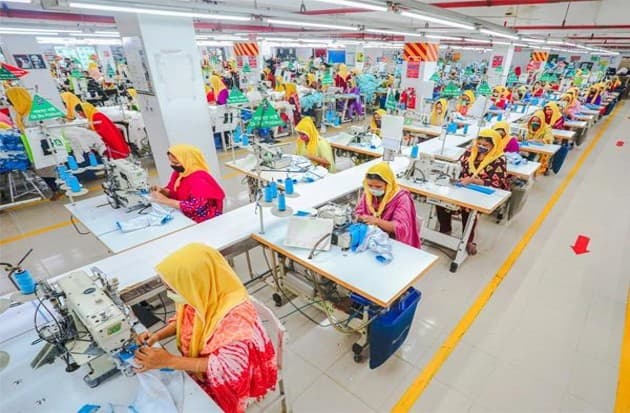
Running a modern garment factory is a complex operation. From order planning and fabric management to production, quality control, and shipment, every stage needs to work together smoothly.
Yet many garment factories still depend on spreadsheets, paper-based processes, phone calls, and manual reporting. These methods can make it difficult to maintain real-time visibility and respond quickly when problems occur.
Technology is changing that.
Modern garment factory management software can connect people, processes, and production data—helping factories reduce delays, minimize production losses, and make faster, data-driven decisions.
1. Production Delays and Missed Deadlines
Production delays can happen for many reasons: material shortages, machine downtime, quality issues, inefficient planning, or bottlenecks on the production floor.
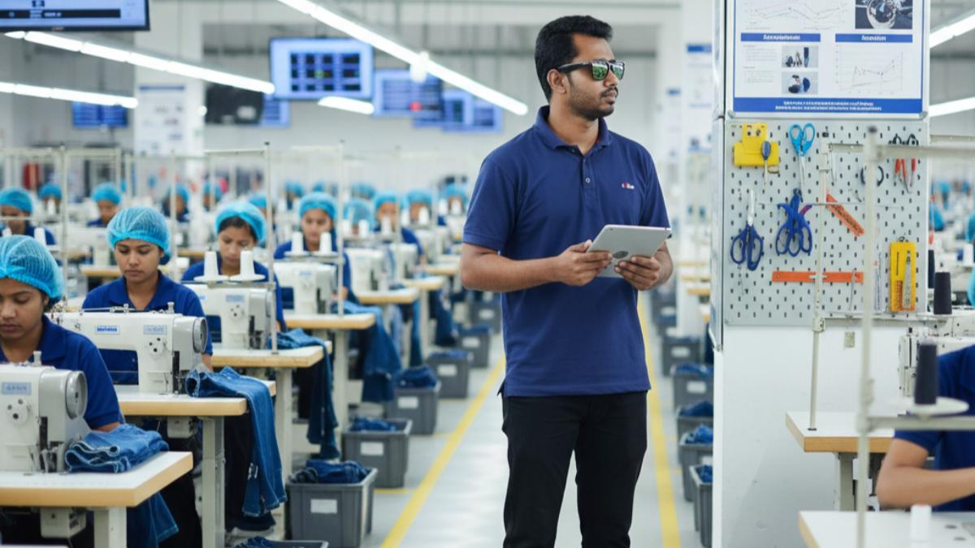
The problem is often not the lack of information, but the lack of real-time information.
With digital production tracking, managers can monitor:
Production progress
Target vs. actual output
Line efficiency
Order status
Pending operations
Production bottlenecks
Instead of discovering a delay at the end of the day, management can identify the problem while there is still time to take corrective action.
2. Production Loss and Inefficiency
Even small production losses can have a significant impact on factory profitability.
Excessive rework, idle machines, material wastage, low line efficiency, and unplanned downtime can reduce overall productivity.
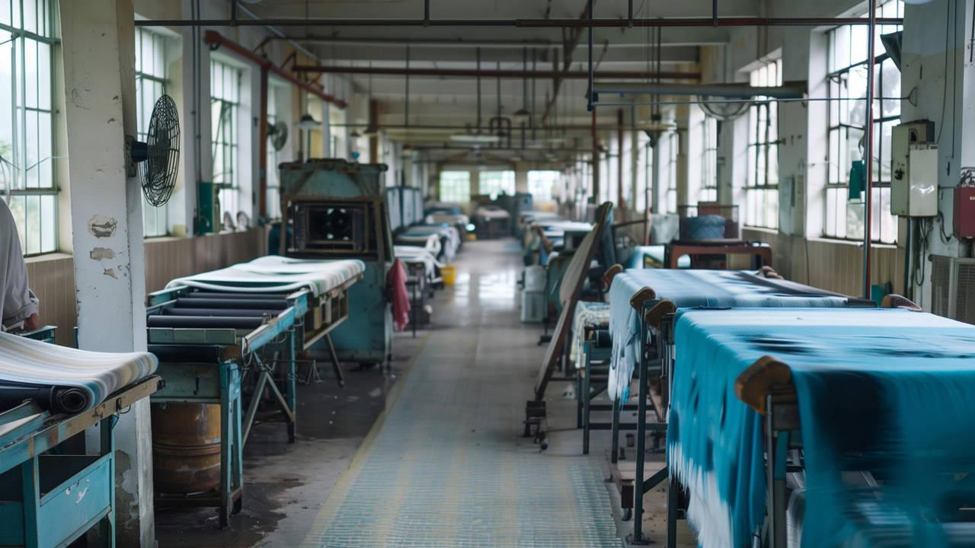
A digital system can bring these factors together and provide a clearer picture of where production losses are occurring.
By analyzing historical and real-time data, factory managers can identify recurring problems and take targeted action to improve efficiency.
3. Communication Gaps
Garment production involves many teams—merchandising, planning, stores, cutting, sewing, finishing, quality, commercial, and management.
When information is shared through phone calls, spreadsheets, emails, or paper documents, communication gaps can easily occur.
A centralized platform provides a single source of information where authorized teams can access updated production and order data.
This reduces unnecessary communication and helps different departments work from the same information.
4. Too Many Manual Processes
Manual data entry takes time and creates opportunities for errors.
For example, production information may be recorded on paper before being entered into Excel and later reported to management. By the time the information reaches decision-makers, it may already be outdated.
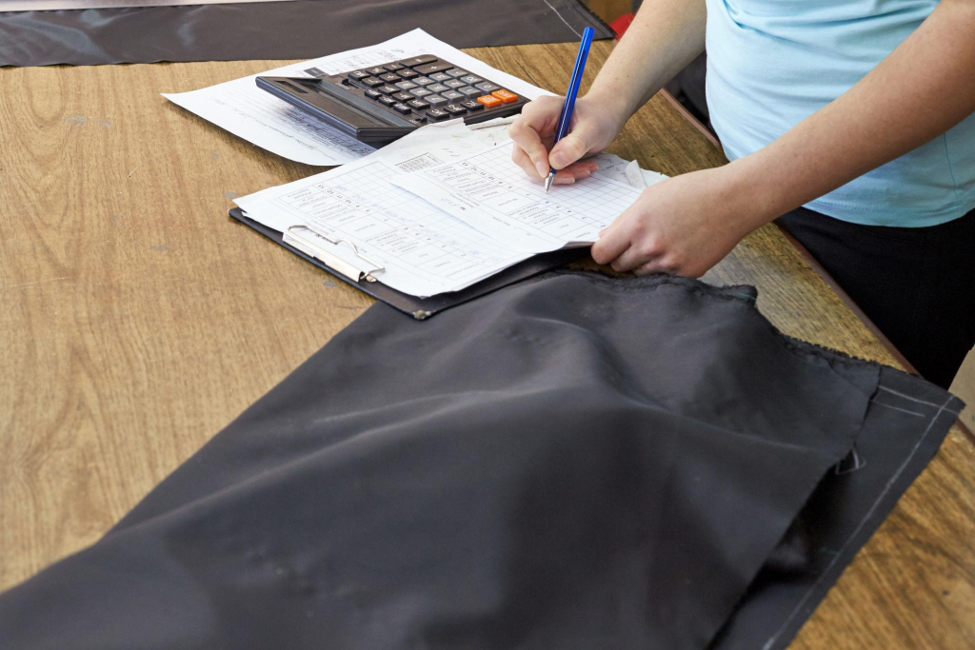
Digital workflows can automate many repetitive tasks, including:
Production data collection
Inventory updates
Stock movements
Approval workflows
Reports
Alerts and notifications
Order status updates
This allows employees to spend less time preparing reports and more time solving operational problems.
5. Limited Production Tracking
One of the biggest challenges for garment manufacturers is knowing exactly where an order stands at any given moment.
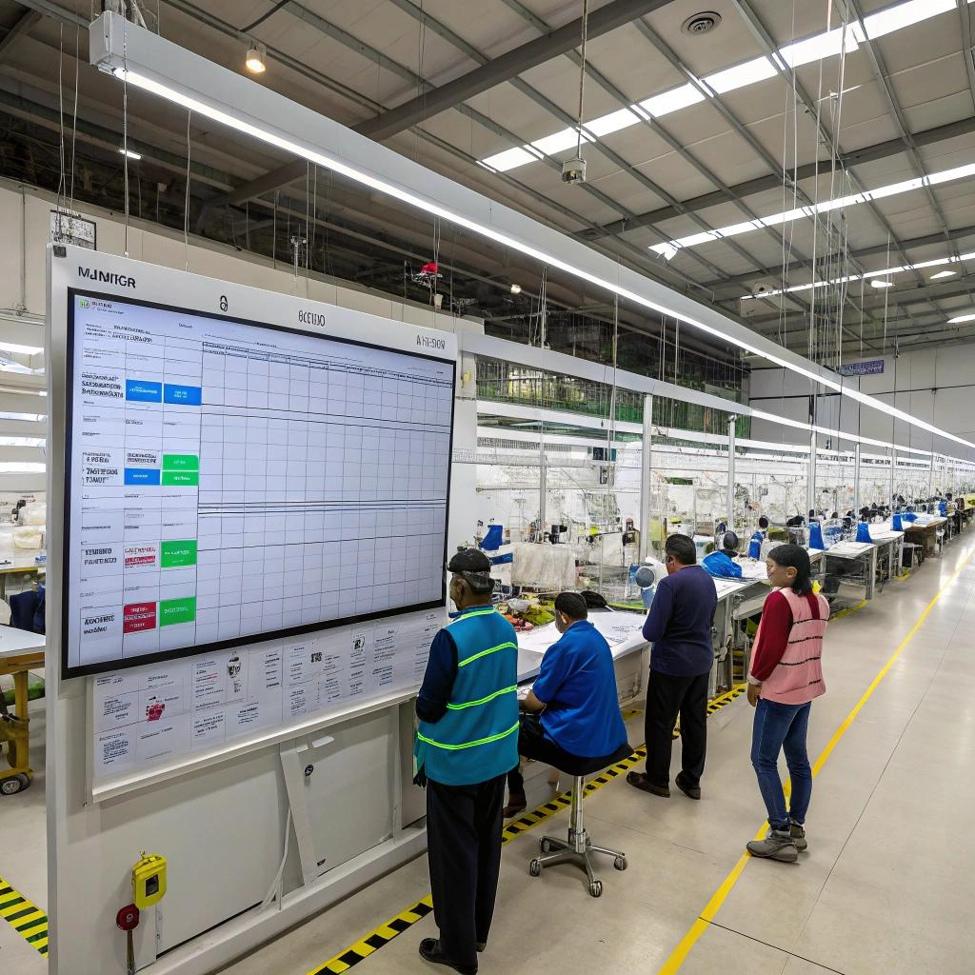
Traditional reporting may provide information only at specific intervals. Modern production tracking systems provide a much more dynamic view.
With real-time production tracking, management can see:
Order → Line → Operation → Target → Actual → Quality → Completion
This creates greater transparency across the factory and makes it easier to identify bottlenecks before they affect delivery schedules.
6. Inventory Visibility
Fabric, trims, accessories, finished goods, and other materials move through multiple stages of the production process.
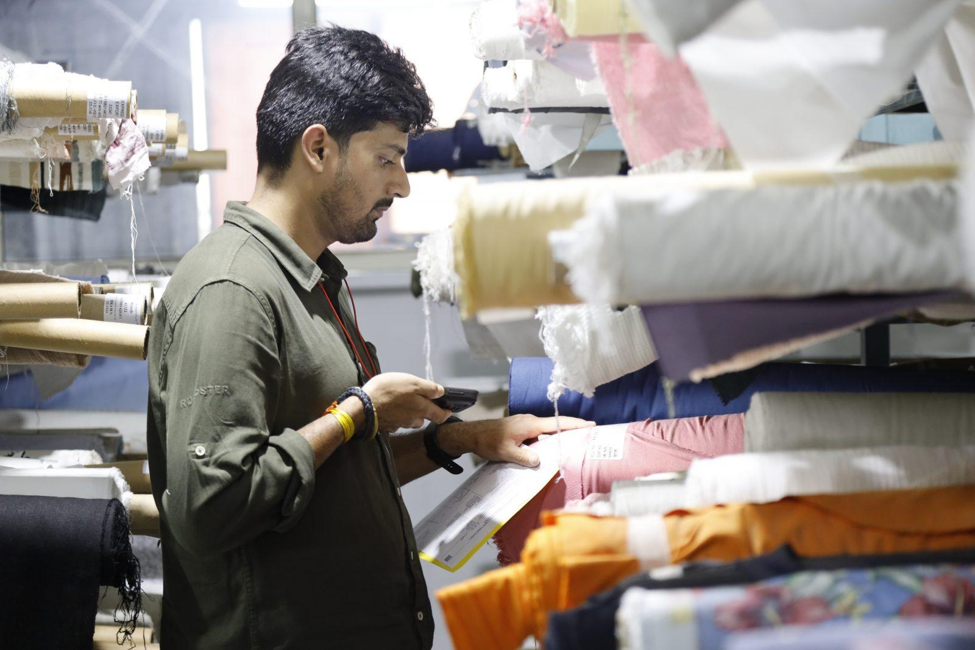
Without an integrated inventory system, factories may struggle with:
Stock discrepancies
Material shortages
Excess inventory
Slow-moving materials
Manual stock reconciliation
Digital inventory management provides real-time visibility of stock levels, movements, locations, and consumption.
Barcode and QR-code integration can further improve accuracy and reduce manual data entry.
7. Turning Data Into Decisions
Factories generate enormous amounts of operational data every day. The real challenge is turning that data into useful information.
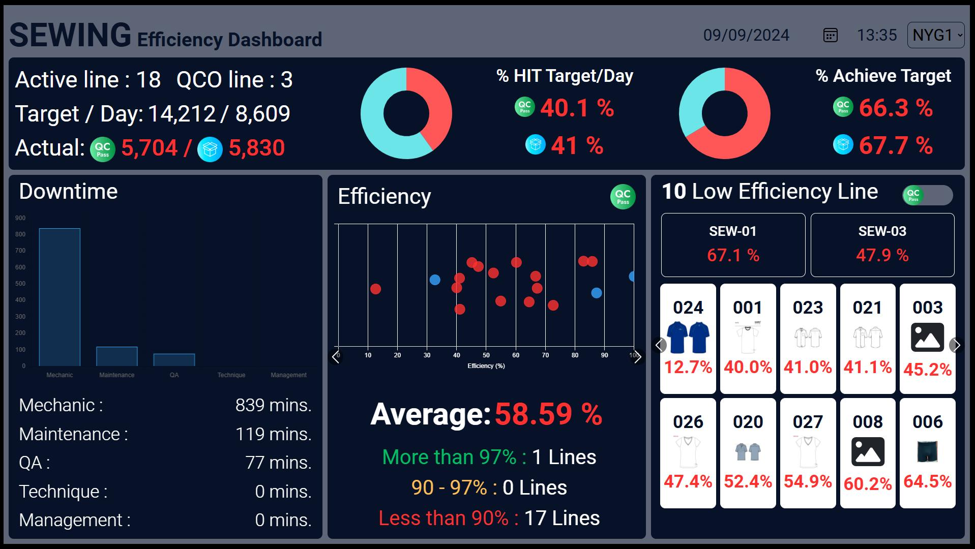
Modern dashboards can bring key indicators together, such as:
Production efficiency
Order progress
Machine downtime
Quality performance
Inventory levels
Production losses
Delivery status
Management can then move from "What happened?" to "Why did it happen?" and, eventually, "What should we do next?"
Technology Is Becoming a Competitive Advantage
Digital transformation in the garment industry is no longer simply about replacing paper with software. It is about creating a connected operation where information moves quickly and decisions are based on reliable data.
An integrated garment factory management system can connect production, inventory, planning, quality, maintenance, and reporting into one digital environment.
At Skylark Soft Limited, we develop industry-focused digital solutions for garment and textile businesses, helping manufacturers improve production visibility, operational efficiency, inventory control, and traceability.
The goal is simple: less manual work, fewer operational gaps, better visibility, and smarter decisions.
For garment factories competing in an increasingly demanding global market, technology is not just an IT investment—it is an investment in productivity, reliability, and long-term competitiveness.
The factory of the future will not simply produce faster. It will know what is happening, why it is happening, and what needs to happen next.