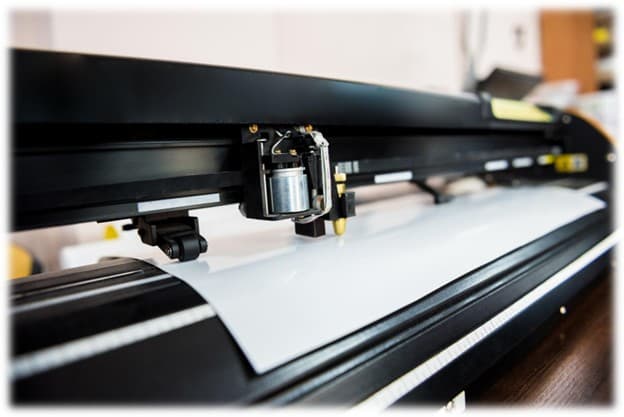
In manufacturing and industrial operations, machine downtime is one of the most expensive problems a business can face. Every minute a machine stops working, productivity drops, delivery schedules get delayed, and operational costs increase.
This is why modern industries are shifting from reactive maintenance to smart maintenance systems powered by SMS (Smart Maintenance System).
At Skylark Soft Limited, we help businesses reduce breakdowns, improve efficiency, and move toward predictive, data-driven maintenance operations.
What is a SMS and Why Does It Matter?
A SMS (Smart Maintenance System) is a digital platform that helps organizations manage, track, and optimize maintenance activities for machines and equipment.
Instead of relying on manual logs, spreadsheets, or guesswork, a SMS centralizes everything in one system:
Maintenance schedules
Work orders
Machine history
Spare parts inventory
Technician assignments
Real-time machine status
This allows businesses to move from reactive repairs to proactive maintenance planning.
Predictive Maintenance: Fix Problems Before They Happen
One of the biggest advantages of modern SMS solutions is predictive maintenance.
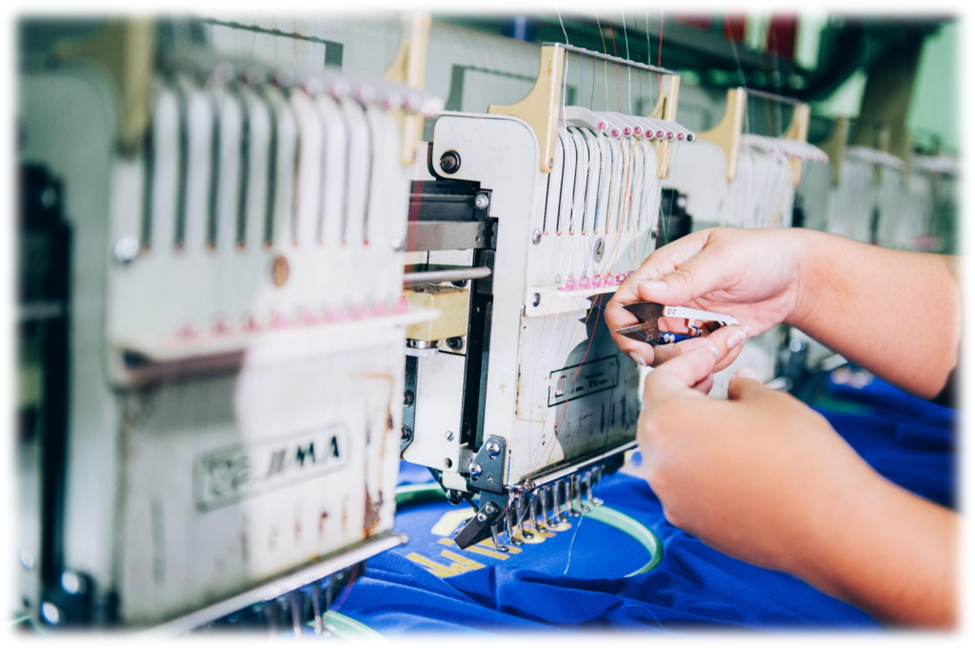
Instead of waiting for a machine to break down, predictive systems use data and monitoring tools to identify early warning signs such as:
Unusual vibration patterns
Temperature changes
Performance slowdowns
Irregular operating cycles
By detecting these signals early, maintenance teams can fix issues before they turn into costly breakdowns. This not only saves money but also helps avoid unexpected production stoppages.
Real-Time Machine Monitoring for Better Control
Smart SMS platforms often integrate with IoT sensors and machine monitoring systems. This allows businesses to track equipment performance in real time.
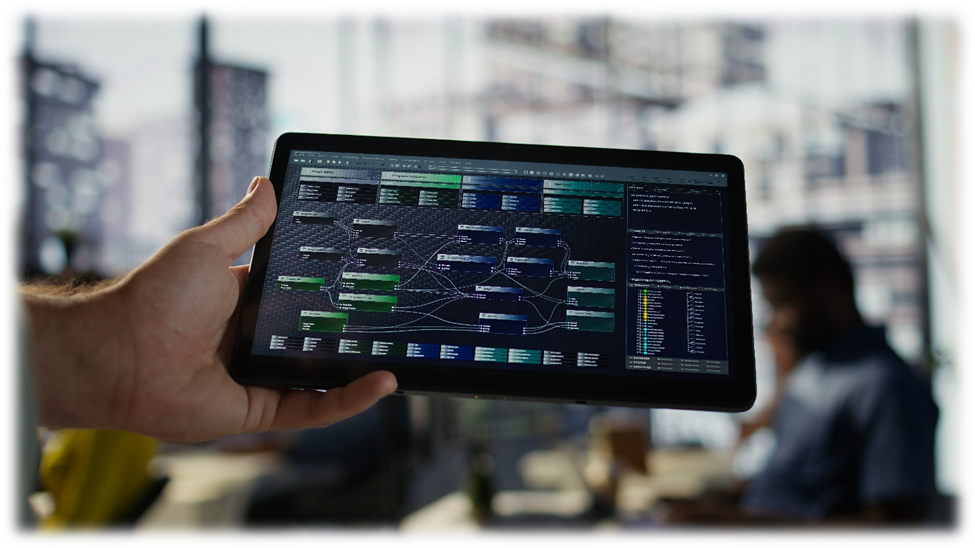
With live monitoring, managers can:
View machine health status instantly
Track production efficiency
Get alerts for abnormal behavior
Monitor usage patterns across multiple machines
This level of visibility helps decision-makers respond faster and plan maintenance more effectively.
Reducing Breakdowns and Unplanned Downtime
Unplanned machine failures are one of the biggest challenges in industrial environments. They lead to production delays, emergency repair costs, and supply chain disruptions.
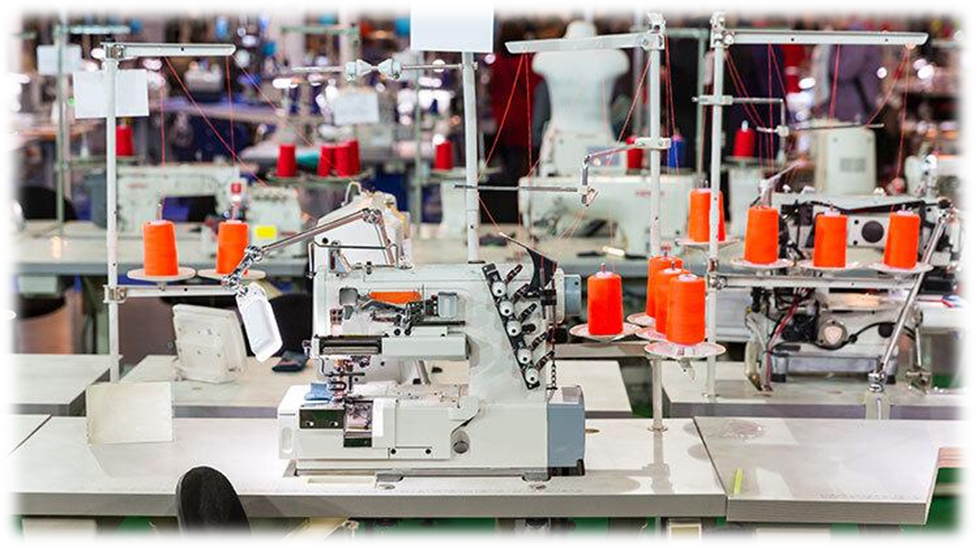
A SMS helps reduce these risks by:
Scheduling regular preventive maintenance
Sending automated maintenance reminders
Tracking machine repair history
Ensuring timely replacement of worn-out parts
As a result, machines stay healthier, last longer, and perform more reliably.
Improving Productivity and Operational Efficiency
When machines run smoothly, everything improves—production speed, workforce efficiency, and delivery timelines.
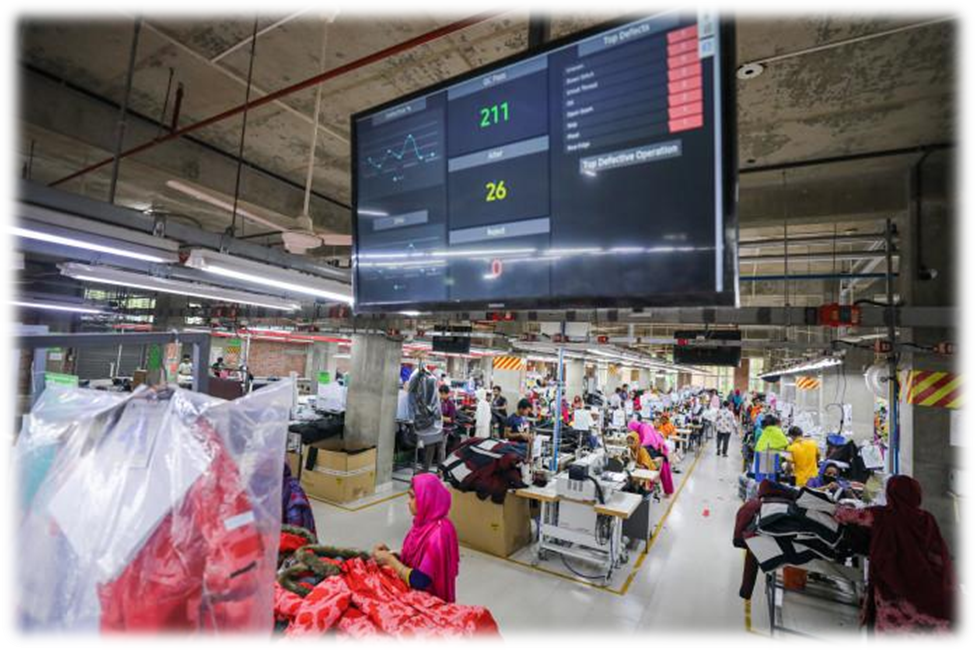
With a smart maintenance system in place, businesses benefit from:
Less downtime and higher machine availability
Better planning of maintenance schedules
Reduced emergency repair costs
Improved team productivity and coordination
Instead of reacting to problems, teams can focus on optimizing operations.
The Future of Maintenance is Smart and Connected
Industries are rapidly moving toward Industry 4.0, where automation, data, and connectivity drive operations. Maintenance is no exception.
SMS platforms are becoming smarter, more predictive, and more integrated with IoT and analytics tools. This shift allows companies to run more efficient, cost-effective, and reliable operations.

How Skylark Soft Limited Helps
At Skylark Soft Limited, we design and develop custom SMS and industrial maintenance solutions tailored to your operational needs.
Our systems help you:
Reduce machine downtime
Implement predictive maintenance strategies
Monitor equipment in real time
Improve maintenance planning and execution
Increase overall productivity
We focus on building practical, scalable solutions that deliver real operational impact—not just software.
Final Thoughts
Machine downtime is no longer something businesses can afford to ignore. With the right smart maintenance system (SMS), organizations can move from constant firefighting to controlled, efficient, and predictive operations.
The result is simple: fewer breakdowns, higher productivity, and stronger business performance.