Healthcare is rapidly evolving beyond traditional clinics and paper-based systems. With technologies like Hospital Management Systems (HMS), real-time diagnostics, and digital patient coordination, healthcare is becoming smarter, faster, and more patient-centric. Today’s healthcare ecosystem focuses not only on treatment, but also on efficiency, accessibility, patient experience, and data-driven care.
The Future of Patient-Centric Care
Operational inefficiency remains a major challenge in healthcare, with long queues, delayed reports, and disconnected systems affecting both patients and providers. Integrated Hospital Management Systems (HMS) solve this by connecting registration, appointments, diagnostics, billing, pharmacy, and reporting into a single streamlined platform, improving efficiency and reducing administrative workload.
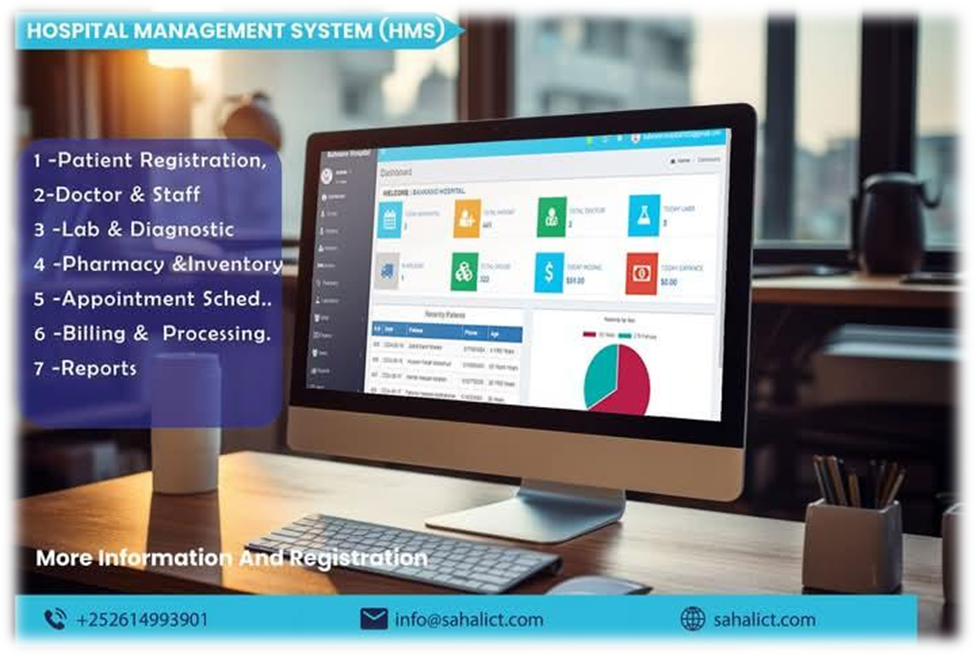
How HMS Improves Patient Experience
An integrated HMS helps healthcare providers:
Reduce patient wait times
Improve appointment scheduling
Enable faster access to reports and medical history
Minimize paperwork and duplicate entries
Improve communication between departments
Increase operational transparency
For patients, this means less time waiting and more time receiving care. For hospitals, it means improved productivity, better resource utilization, and more accurate reporting.
In high-volume healthcare environments, especially in large hospitals and diagnostic centers, even small improvements in workflow can lead to major operational gains.
Medical Tourism & Building Digital Trust
Medical tourism is growing rapidly as patients travel abroad for affordable, specialized care. Beyond treatment quality, they expect smooth coordination, clear communication, and digital convenience. Technology helps healthcare providers build trust through online booking, digital reports, remote consultations, and multilingual support—creating a seamless experience for international patients.
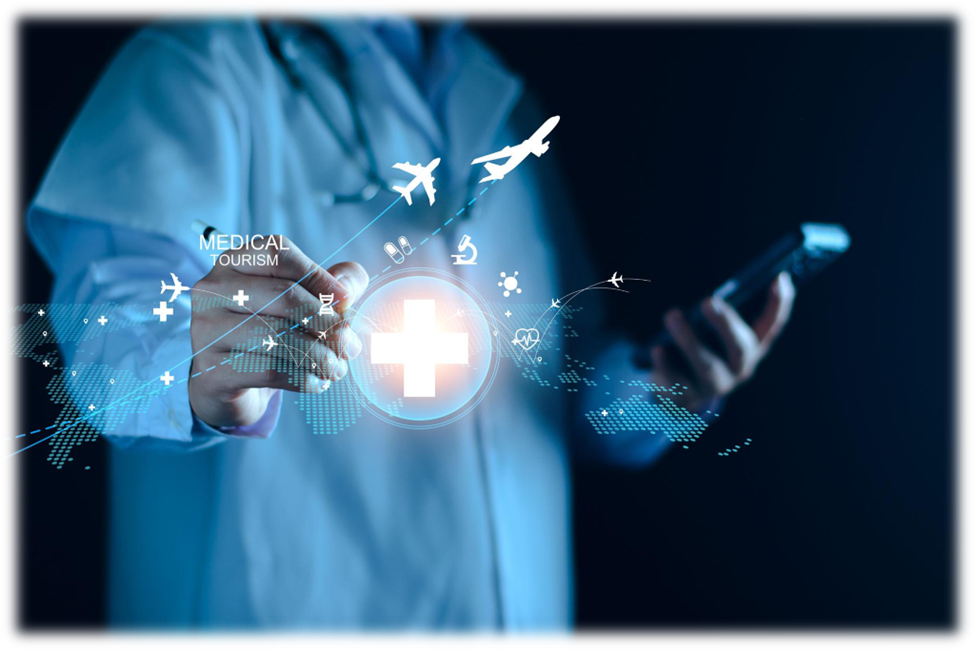
Why Digital Infrastructure Matters for Medical Tourism
International patients often require:
Online consultation before travel
Digital access to medical reports
Appointment coordination
Treatment planning and scheduling
Billing transparency
Post-treatment follow-up support
Without proper systems in place, managing these processes becomes difficult and inefficient.
A strong healthcare technology infrastructure allows hospitals and diagnostic centers to provide a professional and organized patient journey from the first inquiry to post-treatment care. It also helps establish credibility and confidence among patients traveling from abroad.
In many cases, digital trust becomes just as important as medical expertise.
Real-Time Diagnostics & Faster Emergency Response
In healthcare, timing can save lives.
Real-time access to diagnostic data allows doctors, emergency teams, and administrators to make faster and more informed decisions. Whether it is emergency admissions, ICU management, pathology reporting, or imaging services, immediate data availability improves response time and operational coordination.
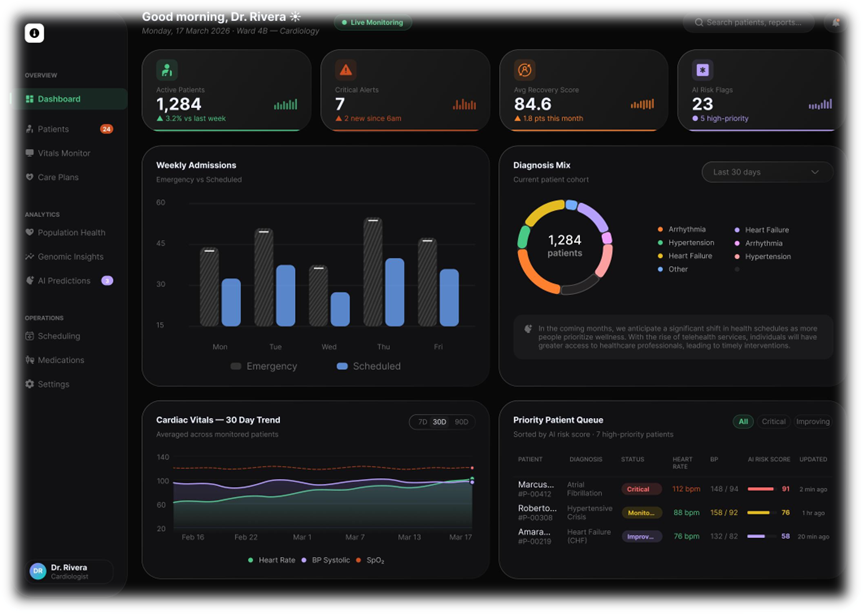
Modern healthcare systems are increasingly moving toward centralized data access where authorized departments can instantly retrieve relevant information without delays.
The Role of Real-Time Data in Hospitals
Real-time diagnostics support:
Faster emergency response
Immediate report availability
Better ICU and OT coordination
Improved patient monitoring
Efficient bed and resource management
Faster communication between departments
For hospital management, real-time dashboards also provide visibility into operational performance, patient flow, laboratory status, equipment utilization, and staffing requirements. This level of visibility helps healthcare organizations optimize resources and reduce operational bottlenecks.
Technology is No Longer Optional in Healthcare
Healthcare is becoming increasingly data-driven, connected, and patient-focused, making manual operations insufficient for modern demands. Digital transformation now goes beyond automation—it focuses on improving overall healthcare experiences.
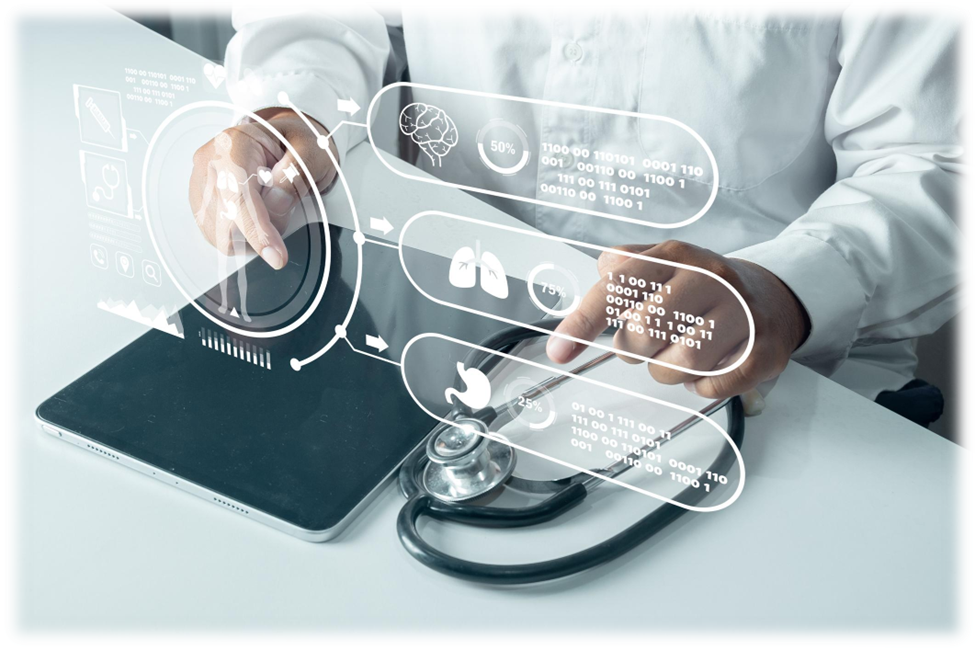
At Skylark Soft Limited, we help hospitals and healthcare providers enhance efficiency and patient care through intelligent ERP, automation, and healthcare technology solutions, shaping the future of healthcare beyond the clinic.